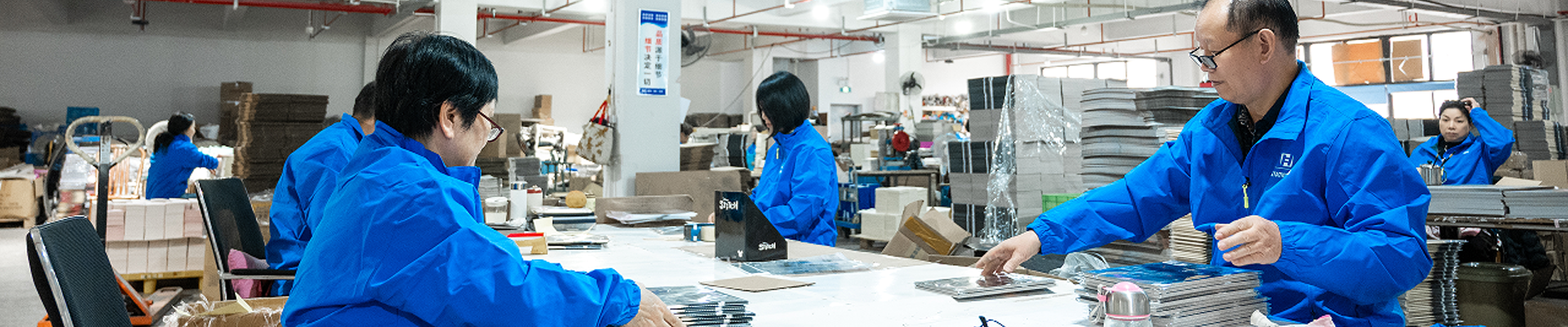
The printing industry stands at a pivotal crossroads. Once viewed by some as a relic of the analog age, it is rapidly transforming into a high-tech, agile, and indispensable sector. Far from being replaced by digital screens, the industry is evolving by integrating digital workflows, embracing environmental responsibility, and expanding into new frontiers of functionality.
Based on current market analyses and technological advancements, here is a comprehensive look at the future of the printing industry.
1. The Digital and Intelligent Revolution
The shift from analog to digital printing is no longer a trend but a fundamental reality. This transition is being supercharged by automation and Artificial Intelligence (AI), leading to the rise of the "Smart Factory."
• Workflow Automation: Manual intervention is being phased out. Advanced workflow software automates pre-press, press, and post-press operations. This not only reduces labor costs but also minimizes human error, ensuring consistent quality and faster turnaround times.
• AI and Data-Driven Insights: AI is becoming a game-changer. It is being used for predictive maintenance (foreseeing machine breakdowns before they happen), automated color correction, and even analyzing customer data to predict market trends. This allows printers to move from a reactive business model to a proactive, service-oriented one.
• Industry 4.0 Integration: The Internet of Things (IoT) connects machines across the production floor, creating a seamless digital thread from order placement to delivery. This connectivity enables real-time monitoring of production metrics, energy consumption, and inventory levels, optimizing the entire supply chain.
2. Sustainability: A Non-Negotiable Priority
Environmental consciousness is no longer a niche concern; it is a primary driver of innovation and a requirement for market entry, especially in Europe and North America.
• Green Materials and Inks: The future lies in bio-based inks, water-based coatings, and recycled or FSC-certified papers. Technologies like process-less plates (which eliminate chemical processing) are gaining traction, significantly reducing water and energy consumption.
• Regulatory Compliance and Circular Economy: Stricter regulations regarding VOC (Volatile Organic Compound) emissions and plastic packaging taxes are forcing a shift towards eco-friendly alternatives. The industry is moving towards a circular economy model, focusing on recyclability and waste reduction throughout the product lifecycle.
• Carbon Footprinting: Clients are increasingly demanding transparency. Print providers will need to offer carbon footprint labeling on products, making sustainability a key differentiator in sales pitches.
3. The Shift to Packaging and Functional Printing
While traditional graphic arts (books, newspapers) face headwinds due to digitization, Packaging has emerged as the primary growth engine.
• E-commerce and Branding: The explosion of online shopping has driven demand for customized shipping boxes, branded packaging, and luxury gift boxes. Packaging is no longer just about protection; it is a critical marketing touchpoint.
• Smart Packaging: This is where the industry gets truly futuristic. Printing is merging with electronics to create "Smart Packaging" featuring QR codes, NFC tags, and even sensors that monitor temperature or freshness. This interactivity bridges the physical and digital worlds, offering consumers traceability and brands a way to engage with their audience.
• Functional and Industrial Printing: Printing technology is being used to manufacture products beyond communication. This includes printed electronics (sensors, batteries, RFID tags), biomedical devices (wearable health patches), and even 3D printed components. This shift turns the printer into a manufacturer of functional goods.
4. Mass Customization and On-Demand Models
The economics of printing have flipped. The industry is moving away from the "economy of scale" (needing huge print runs to be profitable) towards an "economy of scope."
• Print-on-Demand (POD): Digital technology makes it economically viable to print one item or small batches. This is revolutionizing publishing (eliminating library returns and pulping of unsold books) and allows for highly personalized marketing materials.
• Variable Data Printing (VDP): Every single piece in a print run can now be different. Names, addresses, images, and offers can be customized for individual recipients, making direct mail and promotional materials significantly more effective.
5. Market Dynamics and Global Outlook
The global landscape is also shifting.
• Asia-Pacific: Remains the growth hub due to rising disposable incomes, urbanization, and a booming middle class driving demand for packaged goods and printed media.
• Consolidation: The industry is seeing increased consolidation. Small, traditional printers who fail to invest in digital technology and automation are at risk of being acquired or going out of business, while larger, tech-savvy players are expanding their market share.
Conclusion
The printing industry of the future is not just about putting ink on paper. It is about "Intelligent Manufacturing" and "Value-Added Services."
To survive and thrive, businesses must view themselves not just as printers, but as solution providers. The future belongs to those who can seamlessly blend digital and physical experiences, prioritize the planet, and leverage technology to create products that are not only beautiful but also functional and intelligent. The ink is still flowing, but the canvas and the purpose have expanded dramatically.
Copyright © Longgang Haha Stationery Co., Ltd. All Rights Reserved - Privacy Policy - Blog